Rainwater Harvesting Systems Explained: Overview, Working Process, Key Components, and Essential Facts
Rainwater harvesting is the process of collecting, storing, and using rainwater for future purposes instead of letting it flow away as runoff. It is an age-old water management practice that has gained renewed importance in modern cities and rural communities.
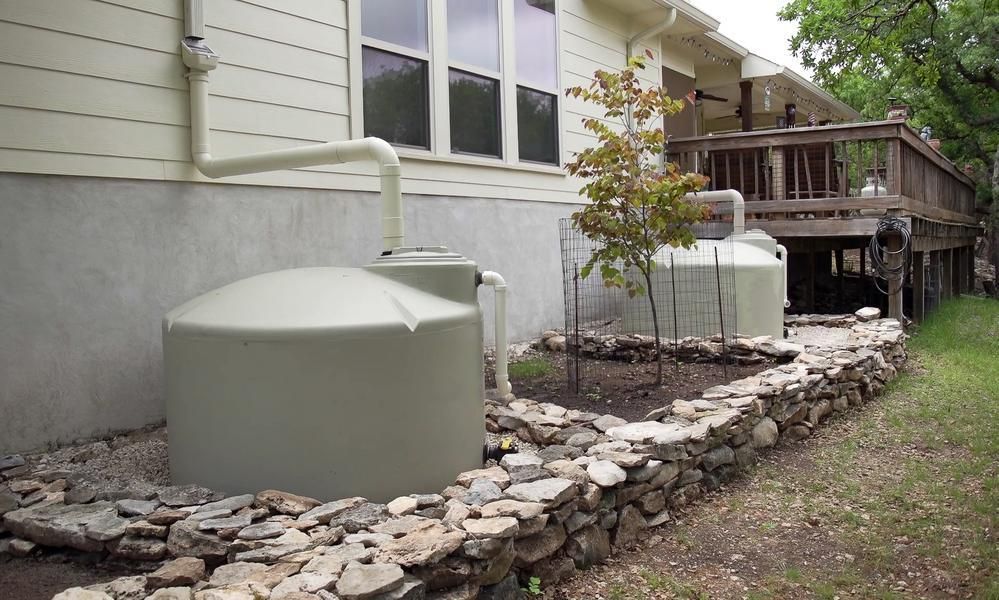
A rainwater harvesting system typically captures rainwater from rooftops or open surfaces, filters it, and stores it in tanks or directs it into the ground to recharge groundwater. The purpose is simple: conserve water resources and reduce dependency on external water supply systems.
This concept exists because freshwater resources are limited and unevenly distributed. Rapid urbanization, population growth, and climate variability have increased pressure on municipal water infrastructure. Rainwater harvesting supports sustainable water management by making use of naturally available precipitation.
In technical terms, rainwater harvesting systems fall under sustainable infrastructure, water conservation systems, groundwater recharge solutions, and urban water management technologies—topics frequently discussed in environmental engineering and green building design.
Why Rainwater Harvesting Matters Today
Water scarcity affects millions of households, agricultural communities, and industries. In many regions, groundwater levels are declining due to over-extraction. Rainwater harvesting helps address this challenge by replenishing aquifers and reducing surface runoff.
The importance of rainwater harvesting includes:
- Reducing water scarcity in urban and semi-urban areas
- Lowering stormwater runoff and minimizing urban flooding
- Supporting groundwater recharge and aquifer restoration
- Enhancing climate resilience and sustainable development
- Decreasing dependency on centralized water supply systems
In densely populated cities, paved surfaces prevent rainwater from naturally soaking into the soil. Instead, water flows into drainage systems, which can become overloaded during heavy rainfall. Proper rainwater collection systems reduce pressure on drainage infrastructure and support environmental sustainability.
From an economic perspective, long-term water conservation reduces infrastructure strain and promotes resource efficiency. In sectors such as agriculture and commercial buildings, rainwater harvesting contributes to operational sustainability and water security planning.
Benefits and Community Impact
| Benefit | Impact on Community |
|---|---|
| Groundwater recharge | Stabilizes water tables |
| Reduced stormwater runoff | Lowers flood risk |
| Supplementary water supply | Improves water reliability |
| Environmental sustainability | Supports green infrastructure |
| Lower infrastructure pressure | Enhances urban planning efficiency |
How Rainwater Harvesting Systems Work
Rainwater harvesting systems follow a simple, structured process:
Collection
Rainwater falls on rooftops or catchment areas and is directed through gutters and downpipes.
Filtration
Debris, leaves, and dust are removed using mesh filters or sedimentation chambers.
Storage or Recharge
Water is either stored in tanks for later use or directed into recharge pits and borewells to replenish groundwater.
Distribution
Stored water can be used for irrigation, flushing, cleaning, or other non-potable applications after appropriate filtration.
Key components include:
- Catchment surface (roof or open area)
- Gutters and downpipes
- First flush diverter
- Filtration unit
- Storage tank or recharge pit
- Overflow system
Process Flow
- Rainfall → Catchment Surface → Filter → Storage Tank / Recharge Pit → Usage or Groundwater Recharge
The efficiency of a rainwater harvesting system depends on rainfall patterns, catchment size, storage capacity, and maintenance.
Recent Trends and Developments
Rainwater harvesting has gained renewed attention due to growing water stress and sustainability goals.
In the past year, several urban development programs have emphasized decentralized water management systems. Smart city initiatives in multiple regions have integrated rainwater harvesting into green building certifications and environmental compliance frameworks.
Recent trends include:
- Integration with smart water monitoring systems
- Use of advanced filtration media for improved water quality
- Digital water management dashboards in residential complexes
- Inclusion in climate adaptation policies
- Adoption in commercial real estate sustainability projects
Sustainable architecture and green infrastructure planning have increased awareness of rainwater harvesting as part of environmental impact assessment strategies.
Additionally, climate variability has led to discussions around improved stormwater management planning, with rainwater harvesting being considered a core solution for urban resilience.
Laws, Regulations, and Government Policies
Rainwater harvesting regulations vary by country and region. In many areas, building codes and environmental policies encourage or mandate installation in new constructions.
Common regulatory aspects include:
- Mandatory rainwater harvesting systems in large residential and commercial buildings
- Integration in environmental clearance requirements
- Urban development guidelines promoting groundwater recharge
- Water conservation policies under national sustainability missions
In India, several states have included rainwater harvesting in municipal building bylaws. Urban local bodies often require installation for structures exceeding specific plot sizes. These policies aim to improve groundwater recharge and reduce dependency on municipal supply.
Environmental compliance frameworks and green building rating systems also incorporate rainwater harvesting as a scoring parameter under sustainable infrastructure standards.
Before implementing a system, it is advisable to review local building regulations and water resource department guidelines.
Tools and Resources for Planning
Planning an effective rainwater harvesting system requires understanding rainfall data, catchment area, and storage capacity. Several digital tools and planning resources are available:
- Rainfall data portals from meteorological departments
- Water harvesting capacity calculators
- Groundwater recharge assessment tools
- Green building compliance guidelines
- Urban water management templates
Key parameters to calculate storage requirements:
| Parameter | Description |
|---|---|
| Average rainfall | Annual rainfall in the region |
| Catchment area | Roof or surface area in square meters |
| Runoff coefficient | Surface efficiency factor |
| Storage capacity | Required tank size |
Basic estimation formula:
Harvestable Rainwater = Rainfall × Catchment Area × Runoff Coefficient
For example, if a rooftop area is 100 square meters and average rainfall is 800 mm annually, the potential collection can be substantial depending on system efficiency.
Environmental engineering textbooks and government water resource manuals provide standardized design guidelines for rainwater harvesting systems.
Frequently Asked Questions
What is the main purpose of rainwater harvesting?
The main purpose is to conserve water by collecting and storing rainwater for later use or groundwater recharge. It supports sustainable water management and reduces dependence on centralized water supply systems.
Is rainwater safe for drinking?
Rainwater can be used for drinking only after proper filtration and treatment. Untreated rainwater may contain contaminants from the catchment surface and atmosphere.
How often should a rainwater harvesting system be maintained?
Regular inspection is recommended before and after the rainy season. Filters, gutters, and storage tanks should be cleaned to maintain efficiency and water quality.
Does rainwater harvesting reduce flooding?
Yes, by capturing and storing rainwater, the system reduces surface runoff and pressure on drainage systems, thereby lowering the risk of localized flooding.
Is rainwater harvesting mandatory?
In some regions, building regulations require rainwater harvesting systems for certain types of construction. Requirements vary by state or municipality.
Essential Facts to Remember
- Rainwater harvesting is both a traditional practice and a modern sustainable infrastructure solution.
- It supports groundwater recharge and urban flood mitigation.
- Proper filtration and maintenance are critical for system performance.
- Regulations may require installation in new constructions.
- It plays a key role in climate adaptation strategies.
Conclusion
Rainwater harvesting systems represent a practical and environmentally responsible approach to water conservation. By collecting, filtering, and storing rainwater, communities can reduce water scarcity, improve groundwater levels, and enhance urban resilience.
As climate variability and population growth continue to challenge water resources, decentralized water management solutions such as rainwater harvesting are becoming increasingly important. With supportive regulations, improved technology, and growing public awareness, rainwater harvesting remains a valuable component of sustainable infrastructure planning.
Understanding its working process, legal framework, and planning tools allows individuals, institutions, and urban planners to make informed decisions about water resource management.
Rainwater harvesting is not just a conservation method; it is a long-term strategy for environmental sustainability and responsible water stewardship.