Outdoor Fitness Activities Overview: Learn, Explore, and Information for Active Lifestyles
Outdoor fitness activities refer to physical exercises performed in open-air environments such as parks, trails, beaches, playgrounds, and community spaces. These activities include walking, running, cycling, outdoor yoga, bodyweight training, recreational sports, and functional fitness routines. The concept exists because humans have always relied on movement in natural surroundings for health, mobility, and survival.
As urban living expanded and indoor lifestyles became more common, outdoor fitness emerged as a structured way to reconnect physical activity with fresh air, natural light, and open spaces. Today, outdoor workouts are not limited to athletes. They are designed for all age groups and fitness levels, offering flexible and accessible ways to stay physically active without complex infrastructure.
Outdoor fitness activities are also closely linked to preventive health education, wellness awareness, and lifestyle improvement. They support balanced movement habits while encouraging people to integrate physical activity into daily routines rather than treating exercise as a separate task.
Importance: Why Outdoor Fitness Matters Today
Outdoor fitness activities matter because they address several modern health and lifestyle challenges at once. Sedentary behavior, screen dependency, limited physical movement, and rising stress levels affect individuals across age groups. Outdoor exercise provides a practical and scalable solution.
Key reasons outdoor fitness is important today include:
Supports physical health by improving cardiovascular endurance, muscular strength, flexibility, and coordination
Encourages mental well-being through exposure to natural environments and reduced stress
Promotes social interaction through group workouts, community walks, and recreational sports
Reduces dependency on enclosed spaces and equipment-heavy exercise setups
Increases consistency by making physical activity more approachable and adaptable
Outdoor fitness affects children, working adults, older populations, and communities as a whole. For children, it supports motor skill development and active play. For adults, it offers stress relief and metabolic health benefits. For older individuals, it helps maintain mobility, balance, and independence. From a public health perspective, outdoor fitness helps address issues related to inactivity-related conditions, mental fatigue, and lifestyle imbalance.
Recent Updates: Evolving Trends in Open-Space Workouts
In recent months, outdoor fitness has continued to evolve in response to changing lifestyles and environmental awareness. Communities and individuals are increasingly prioritizing open-space workouts due to their flexibility and low entry barriers.
Notable trends observed recently include:
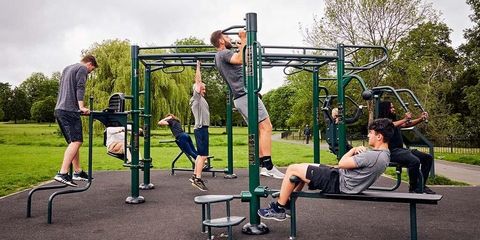
Growth of structured outdoor workout zones with bodyweight equipment
Increased popularity of functional training, mobility exercises, and low-impact routines
Wider use of digital fitness tracking tools to monitor outdoor activity performance
Expansion of group-based outdoor wellness sessions such as yoga, stretching, and walking clubs
Greater focus on safety, hydration, and climate-aware exercise planning
Another key update is the integration of outdoor fitness with digital health platforms. People now combine outdoor movement with performance analytics, recovery tracking, and habit-building features, creating a balanced approach between technology and physical activity. Environmental awareness has also influenced outdoor fitness, leading to more respectful and organized outdoor activity practices.
Laws or Policies: Regulatory and Public Space Guidelines
Outdoor fitness activities are influenced by local regulations, public space policies, and health initiatives. While rules vary by region, common policy-related aspects include guidelines for using public parks and recreational spaces, as well as time restrictions or noise regulations in residential outdoor areas.
Other common policy influences include:
Safety standards for outdoor fitness equipment installed in public zones
Government-supported wellness and physical activity awareness programs
Urban planning policies that include walking tracks, cycling lanes, and open gyms
In many regions, local authorities encourage outdoor physical activity as part of preventive health strategies. This includes maintaining green spaces, creating pedestrian-friendly infrastructure, and supporting community-based fitness initiatives. Understanding local rules helps individuals and groups plan outdoor workouts responsibly and sustainably.
Tools and Resources: Planning and Performance Aids
Several digital tools and informational resources support outdoor fitness planning, tracking, and education. These tools focus on activity monitoring, performance insights, and habit consistency. Commonly used resources include Strava for activity tracking, Google Fit for daily goals, Nike Training Club for guided routines, and MyFitnessPal for nutrition integration.
Outdoor Fitness Activity Comparison
General Participation Patterns
FAQs: Common Questions Answered
What are outdoor fitness activities?
Outdoor fitness activities are physical exercises performed in open environments such as parks, trails, or open grounds. They include walking, running, cycling, yoga, and functional bodyweight exercises.
Are outdoor workouts suitable for beginners?
Yes. Many outdoor activities can be adapted for beginners by adjusting intensity, duration, and movement complexity. Walking and basic stretching are common starting points.
How often should outdoor fitness activities be done?
Frequency depends on individual goals and health conditions. Consistent moderate activity spread across the week is generally recommended for maintaining overall fitness.
What safety considerations are important for outdoor exercise?
Key considerations include hydration, appropriate clothing, awareness of surroundings, weather conditions, and following local public space guidelines.
Can outdoor fitness replace indoor workouts?
For many people, outdoor fitness can fully support strength, endurance, and flexibility goals. Some individuals may combine both approaches for variety and balance.
Conclusion: The Role of Outdoor Physical Activity
Outdoor fitness activities play an essential role in promoting active lifestyles, physical well-being, and mental balance. They exist as a natural response to modern inactivity challenges and provide inclusive, adaptable ways for people to stay active in everyday environments.
By supporting health, community engagement, and sustainable movement habits, outdoor fitness continues to grow as a practical and educational approach to wellness. With the help of digital tools, public infrastructure, and informed participation, outdoor physical activity remains a valuable and accessible component of long-term lifestyle health.
Disclaimer: The information provided in this article is for informational purposes only. We do not make any claims or guarantees regarding the accuracy, reliability, or completeness of the information presented. The content is not intended as professional advice and should not be relied upon as such. Readers are encouraged to conduct their own research and consult with appropriate professionals before making any decisions based on the information provided in this article.