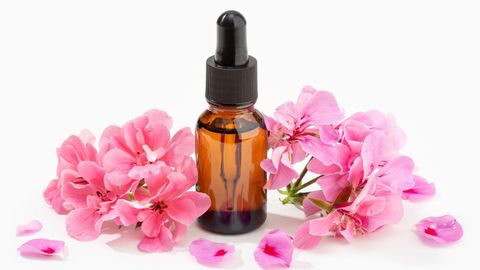
Learn About Essential Oils for Sleep: Basics, Suggestions, and Clear Understanding
Essential oils are concentrated plant extracts created through processes such as steam distillation or cold pressing. They contain aromatic compounds responsible for the plant’s scent and certain functional properties. For centuries, people across different cultures have used aromatic plants to support relaxation, rest, and nighttime routines.
The idea of using essential oils for sleep exists because sleep is influenced by the nervous system, sensory input, and emotional state. Smell is directly connected to the brain areas responsible for memory, mood, and relaxation. Because of this connection, certain aromas are commonly associated with calming environments and bedtime preparation.
Essential oils for sleep are not medical treatments. They are typically used as part of personal wellness routines, focusing on relaxation, sensory comfort, and nighttime habits rather than curing sleep disorders.
Importance: Why Essential Oils for Sleep Matter Today
Sleep challenges affect people of all ages, including adults with demanding schedules, students, caregivers, and older individuals. Modern lifestyles often involve screen exposure, irregular routines, and mental stress, all of which can disrupt natural sleep patterns.
Essential oils for sleep matter today because they support:
Relaxation before bedtime
Consistent nighttime routines
Calm sensory environments
Stress reduction practices
These oils are commonly explored by people seeking non-invasive approaches to improving sleep quality. They are often used alongside sleep hygiene practices such as reducing light exposure, maintaining regular sleep schedules, and creating quiet environments. Education helps set appropriate expectations and promotes responsible wellness habits.
Recent Updates: Shifts in Awareness and Research Trends
In recent months, interest in sleep wellness has increased across health, lifestyle, and workplace discussions. This has led to greater attention on non-pharmacological sleep support options, including aromatherapy.
Recent trends include:
Increased focus on sleep hygiene education
Growing consumer awareness of ingredient transparency
More emphasis on dilution safety and usage guidance
Broader discussion around sensory regulation and stress management
Health educators and wellness professionals now emphasize that essential oils should complement healthy routines rather than replace professional guidance when sleep problems persist.
Laws or Policies: Safety and Regulation Overview
Essential oils are generally regulated under consumer product and cosmetic safety frameworks in many regions. Regulations typically focus on labeling accuracy, ingredient disclosure, and safe manufacturing practices.
Common regulatory principles include:
Clear identification of plant sources
Proper handling and storage guidelines
Restrictions on therapeutic or medical claims
Child safety and ingestion warnings
In several countries, essential oils are not classified as medicines unless specific medical claims are made. This means users are encouraged to follow safety instructions and consult qualified professionals if they have underlying health conditions, are pregnant, or are sensitive to fragrances.
Tools and Resources: Helpful Support for Learning and Safe Use
People exploring essential oils for sleep often rely on educational tools rather than commercial platforms. Useful resources include aromatherapy reference guides, dilution calculators, and sleep tracking journals.
Common Essential Oils Associated With Sleep Support
Safe Usage Methods Explained Clearly
Meaning in Gujarati Langues: In the Gujarati context, essential oils for sleep can be understood as ઊંઘ માટે આવશ્યક તેલ (Ungh mate aavashyak tel). It is often related to using કુદરતી સુગંધ (natural fragrance) like લેવેન્ડર (lavender) or ચંદન (sandalwood) to create a શાંત વાતાવરણ (calm environment) for better વિશ્રામ (rest).
FAQs: Clear Answers to Common Questions
Are essential oils proven to treat sleep disorders?
Essential oils are not recognized as treatments for sleep disorders. They are commonly used to support relaxation and bedtime routines.
Can essential oils be used every night?
Some people use them regularly, but moderation is recommended. Rotating oils and observing personal responses helps reduce sensitivity risks.
Is it safe to apply essential oils directly to skin?
Undiluted application is generally discouraged. Dilution with appropriate carrier oils is commonly advised for skin contact.
Do essential oils work the same for everyone?
No. Responses to aroma are individual and influenced by personal preference, environment, and routine consistency.
Can children use essential oils for sleep routines?
Extra caution is needed. Lower exposure, proper dilution, and professional guidance are strongly recommended.
Conclusion: Clear Understanding and Responsible Use
Essential oils for sleep exist within the broader context of wellness and sensory support. Their value lies in promoting calm environments, relaxation rituals, and mindful bedtime habits rather than acting as medical solutions. Understanding the safe application and limitations of aromatherapy allows individuals to integrate these tools effectively into a balanced lifestyle focused on long-term sleep health.