Electric Lawn Mowers Overview: How They Work, Important Features, Care Tips, and Helpful Information
Electric lawn mowers are modern residential lawn care equipment powered by electricity instead of gasoline. They typically operate using a rechargeable lithium-ion battery mower system or a corded electric connection. These machines are designed to cut grass efficiently while reducing noise, air emissions, and routine engine-related maintenance.
Traditional gasoline mowers rely on internal combustion engines, requiring fuel mixing, spark plugs, oil changes, and exhaust systems. In contrast, battery powered lawn mower technology uses electric motors, often brushless motor mower designs, which convert electrical energy directly into mechanical motion. This simpler mechanism reduces mechanical complexity and improves reliability.
Electric mowers exist because of increasing interest in eco-friendly lawn equipment and advancements in lithium-ion battery systems. Improvements in battery capacity, motor efficiency, and smart power management have made cordless lawn mower technology practical for small and medium-sized lawns.
The main components typically include:
-
Electric motor
-
Rechargeable battery pack or power cord
-
Cutting deck with rotating blade
-
Height adjustment mechanism
-
Grass collection bag or mulching system
-
Safety switches and control handles
These components work together to provide consistent cutting performance with lower environmental impact.
Why Electric Lawn Mowers Matter Today
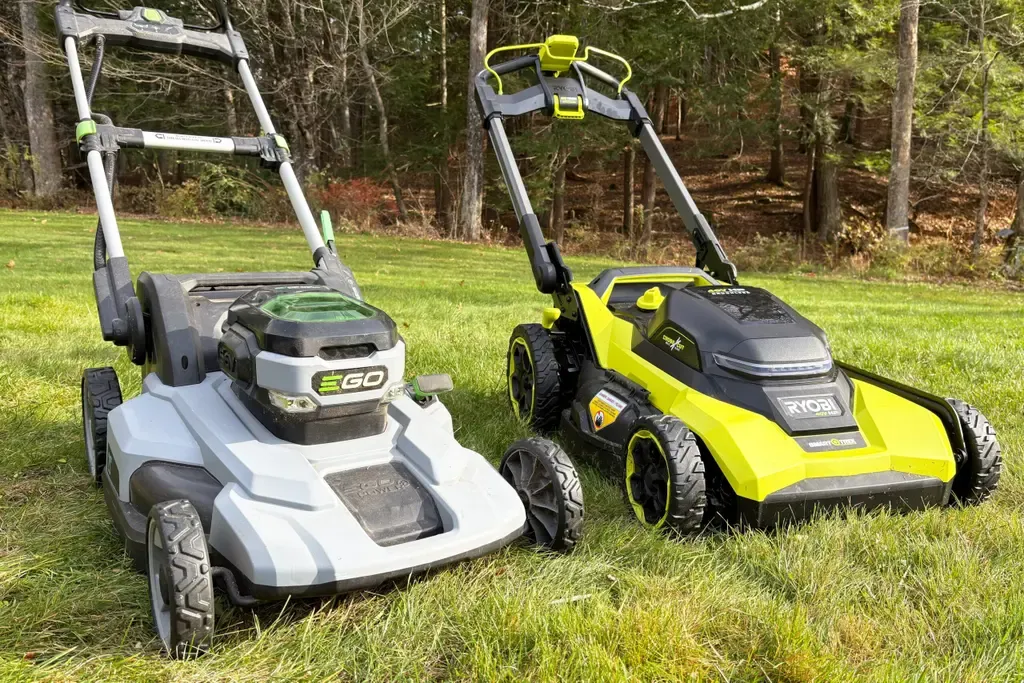
Electric lawn mower guide discussions are increasingly relevant due to environmental awareness, urban noise concerns, and advances in energy-efficient outdoor tools.
Gasoline-powered mowers emit carbon dioxide, nitrogen oxides, and particulate matter. Electric mowers produce zero direct emissions during operation, contributing to cleaner local air quality. For residential neighborhoods, reduced noise is another major benefit. Electric models typically operate at significantly lower decibel levels compared to gasoline engines.
This technology affects:
- Homeowners managing private gardens
- Property managers overseeing residential complexes
- Schools and community spaces maintaining green areas
- Urban residents concerned about air quality and noise
Common problems electric mowers help address include:
- Fuel storage and handling issues
- Engine starting difficulties
- Frequent oil changes and spark plug replacements
- High noise levels disturbing nearby households
Comparison of Gasoline vs Electric Models
| Feature | Gasoline Mower | Electric Lawn Mower |
|---|---|---|
| Power Source | Petrol | Battery or corded electricity |
| Direct Emissions | Yes | No |
| Noise Level | Higher | Lower |
| Engine Maintenance | Complex | Minimal |
| Startup Method | Pull cord | Push button |
| Weight | Heavier | Generally lighter |
Electric lawn mower maintenance tips are often simpler, focusing on blade care and battery management rather than engine servicing.
How Electric Lawn Mowers Work
Understanding cordless lawn mower technology helps users operate and maintain equipment effectively.
When the user presses the start button, electrical energy flows from the battery pack to the motor controller. The controller regulates current to the electric motor, which spins the blade at high speed. The rotating blade creates lift and cuts grass evenly across the cutting deck.
In brushless motor mower systems:
- There are no physical brushes creating friction.
- Efficiency is higher due to reduced energy loss.
- Heat generation is lower.
- Motor lifespan is typically longer.
Modern lithium-ion battery mower systems include:
- Battery management systems (BMS) to prevent overcharging
- Thermal protection mechanisms
- Power optimization algorithms
- Digital indicators for charge levels
Some smart garden equipment models integrate sensors that adjust blade speed automatically based on grass thickness. This improves energy efficiency and cutting consistency.
A simplified working process can be described as:
- Battery provides electrical power
- Controller regulates voltage and current
- Motor rotates blade
- Blade cuts and lifts grass
- Clippings are collected, mulched, or discharged
This direct energy conversion reduces mechanical losses compared to combustion engines.
Recent Updates and Industry Trends
Recent developments in electric lawn mower guide discussions reflect advancements in battery energy density, rapid charging systems, and smart integration.
Notable trends include:
- Higher-capacity lithium-ion batteries with longer runtime
- Interchangeable battery platforms across multiple garden tools
- Fast charging technology reducing downtime
- Smart connectivity via mobile apps for battery monitoring
- Improved brushless motor efficiency
Manufacturers are also focusing on lightweight composite cutting decks and aerodynamic blade designs to increase cutting precision.
Another emerging trend is the growth of robotic electric mowers. These autonomous units use boundary wires or GPS mapping to maintain lawns automatically. While robotic systems operate differently from traditional push models, they share similar electric motor and battery technology.
Environmental regulations in various regions are also encouraging transitions away from small combustion engines. This has accelerated research into zero emission lawn care solutions.
Laws, Regulations, and Government Policies
Electric lawn mowers are influenced by environmental policies and equipment regulations in multiple countries.
Many governments have introduced:
- Emission standards limiting small engine pollution
- Noise regulations in residential zones
- Incentive programs encouraging electric equipment adoption
- Energy efficiency labeling requirements
For example, several local authorities have restricted the use of high-emission small engines in densely populated urban areas. These policies indirectly promote battery powered lawn mower usage.
In some regions, consumer protection regulations require:
- Clear battery safety labeling
- Electrical compliance certifications
- Overheating protection mechanisms
- Safe charging standards
Standards organizations often mandate electrical safety testing for lithium-ion battery mower systems to prevent fire hazards and electrical faults.
Users should follow local guidelines regarding:
- Proper battery disposal
- Recycling of electronic components
- Noise limits during specific hours
These regulations aim to ensure public safety, environmental protection, and responsible energy use.
Tools and Resources for Users
Several tools and informational resources can help individuals understand and maintain electric lawn mower systems effectively.
Helpful resources include:
- Battery runtime calculators for estimating lawn coverage
- Lawn size measurement apps using satellite mapping
- Maintenance checklists for seasonal care
- Blade sharpening angle guides
- User manual templates for equipment records
- Energy consumption tracking tools
Common maintenance checklist items include:
- Inspect blade sharpness monthly
- Clean grass buildup under the deck
- Check battery charge cycles
- Store battery in moderate temperature conditions
- Inspect safety switches
Maintenance Schedule
| Task | Frequency |
|---|---|
| Clean cutting deck | After each use |
| Check blade condition | Monthly |
| Inspect battery terminals | Every 2–3 months |
| Deep clean air vents | Seasonal |
| Battery storage check | Before long storage |
Tracking usage hours can also help determine when blade sharpening or replacement is necessary.
Electric Lawn Mower Care Tips
Proper lawn mower maintenance tips improve safety and longevity.
Battery Care:
- Avoid full discharge frequently
- Store at partial charge when not in use
- Keep away from extreme heat or freezing temperatures
Blade Maintenance:
- Keep blades sharp for clean cuts
- Disconnect battery before servicing
- Balance blade after sharpening
Storage Practices:
- Store in dry, covered area
- Remove battery during long-term storage
- Clean underside to prevent corrosion
Operational Safety:
- Inspect lawn for debris before mowing
- Avoid mowing wet grass when possible
- Ensure safety handle mechanisms function properly
These preventive steps support consistent performance and extend equipment life.
Frequently Asked Questions
What is the typical runtime of a battery powered lawn mower?
Runtime depends on battery capacity and grass conditions. Many lithium-ion battery mower systems provide enough power for small to medium lawns on a single charge, with thicker grass reducing runtime.
Are electric lawn mowers suitable for large properties?
They can manage medium-sized areas effectively. Larger properties may require multiple battery packs or higher-capacity models designed for extended operation.
How long do lithium-ion mower batteries last?
Battery lifespan depends on usage patterns, storage conditions, and charge cycles. Proper care and temperature management can significantly extend battery health.
Is maintenance easier compared to gasoline models?
Yes. Electric lawn mower maintenance tips mainly involve blade care and battery management, without oil changes or spark plug replacement.
Are electric mowers safe in rainy conditions?
Most models are not designed for heavy rain use. Wet grass can reduce efficiency and increase slip risks. Always follow manufacturer safety guidance.
Conclusion
Electric lawn mowers represent an important development in residential lawn care equipment. By replacing combustion engines with electric motors and lithium-ion battery systems, these machines reduce noise, eliminate direct emissions, and simplify maintenance routines.
Advancements in brushless motor mower technology, battery management systems, and smart garden equipment integration continue to improve performance and usability. Regulatory trends and environmental standards are also shaping the transition toward zero emission lawn care solutions.
With proper maintenance, safe battery handling, and awareness of local regulations, electric lawn mowers provide a practical and environmentally responsible approach to maintaining green spaces.