Pile Driving Equipment Overview: Discover Modern Technologies, Performance Factors, and Safety Insights
Pile driving equipment refers to specialized machinery used in foundation engineering to install deep foundation elements, known as piles, into the ground. These piles support heavy structures such as bridges, high-rise buildings, industrial facilities, and marine infrastructure.
The purpose of pile driving is to transfer structural loads from weak surface soil layers to deeper, stronger soil or rock strata. Without deep foundation systems, many large-scale construction projects would face risks related to settlement, instability, or structural failure.
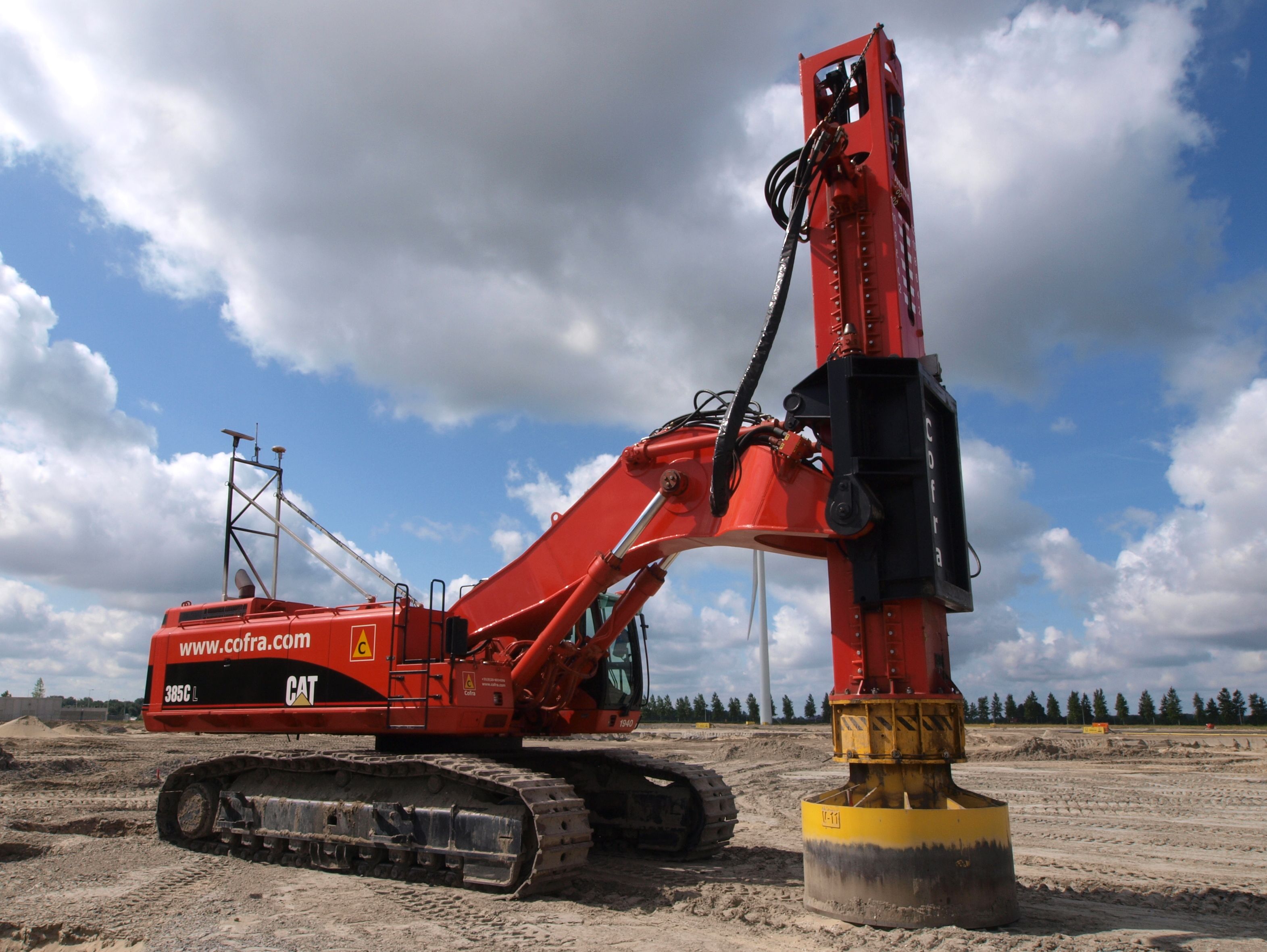
Modern construction technology has significantly evolved pile installation methods. Equipment such as hydraulic pile hammers, vibratory pile drivers, impact hammers, and drilled piling rigs are now commonly used in civil engineering projects worldwide. These systems are designed to enhance precision, reduce noise pollution, and improve energy efficiency while maintaining structural integrity.
Pile driving exists because soil conditions vary widely. In coastal zones, urban environments, and infrastructure corridors, surface soils may not provide sufficient load-bearing capacity. Deep foundation solutions address these challenges and ensure long-term structural stability.
Why Pile Driving Equipment Matters in Today’s Infrastructure Development
Pile driving equipment plays a critical role in infrastructure development, particularly in regions experiencing rapid urban growth and industrial expansion.
Its importance can be understood through several key factors:
- Structural Stability: Deep foundation systems prevent excessive settlement and structural movement.
- Load Distribution: Properly installed piles transfer vertical and lateral loads efficiently.
- Seismic Resistance: In earthquake-prone areas, pile foundations improve resilience.
- Waterfront and Marine Construction: Ports, bridges, and offshore platforms rely on pile driving technology.
- Urban High-Rise Construction: Dense cities require deep foundations to support tall buildings safely.
Industries affected include construction engineering, transportation infrastructure, renewable energy projects such as wind turbine foundations, and oil and gas facilities.
Common problems solved by pile driving equipment include:
- Weak or compressible soil layers
- High groundwater conditions
- Uneven terrain
- Heavy structural load demands
Without advanced pile driving systems, modern civil engineering projects would face higher structural risks and reduced lifespan.
Modern Technologies and Performance Factors
Recent advancements in heavy construction equipment have focused on automation, data monitoring, and environmental impact reduction.
Key Technologies in Use
- Hydraulic pile hammers with adjustable energy control
- Vibratory pile drivers for sheet piling and temporary structures
- Automated hammer monitoring systems
- Real-time load testing equipment
- Noise and vibration reduction attachments
These technologies allow engineers to monitor driving resistance, penetration depth, and energy transfer efficiency during installation.
Equipment Comparison
| Equipment Type | Best Use Case | Noise Level | Precision Control | Soil Suitability |
|---|---|---|---|---|
| Hydraulic Hammer | Heavy structural piles | Moderate | High | Dense soils |
| Diesel Hammer | Large infrastructure projects | High | Medium | Mixed soils |
| Vibratory Driver | Sheet piles & temporary works | Lower | High | Sandy soils |
| Drilled Piling Rig | Large diameter foundation piles | Low | Very High | Urban zones |
Performance Factors
Several variables influence equipment performance:
- Soil type and density
- Pile material (steel, concrete, timber)
- Hammer energy rating
- Alignment accuracy
- Environmental constraints
Engineers often conduct geotechnical site investigations before selecting appropriate pile driving machinery. Load testing and dynamic pile analysis help confirm foundation strength and compliance with engineering standards.
Recent Trends and Industry Developments
Over the past year, the construction industry has seen notable shifts in foundation engineering practices.
- Increased adoption of low-emission hydraulic systems
- Greater integration of digital monitoring sensors
- Expansion of electric-powered construction machinery
- Improved vibration control for urban construction zones
Manufacturers have focused on sustainable construction equipment aligned with carbon reduction initiatives. Noise mitigation technologies have also gained importance in densely populated areas where environmental regulations are strict.
Automation is becoming more common, with smart control systems that adjust hammer energy automatically based on soil resistance. This reduces overdriving risks and improves equipment longevity.
Additionally, renewable energy projects, especially wind farms and coastal infrastructure, have driven demand for advanced pile driving solutions capable of handling large-diameter monopiles.
Laws, Regulations, and Compliance Standards
Pile driving equipment is subject to national and regional construction regulations. Compliance ensures worker safety, environmental protection, and structural reliability.
In many countries, foundation installation must follow established building codes and engineering standards. For example:
- Occupational safety regulations governing heavy machinery operation
- Noise and vibration control limits in urban zones
- Environmental impact assessment requirements
- Construction site safety protocols
- Equipment inspection and certification standards
In the United States, foundation practices are guided by the International Building Code and OSHA safety regulations. In India, projects often follow Bureau of Indian Standards guidelines related to foundation engineering and structural design.
Environmental regulations may restrict working hours or limit vibration levels near residential areas. Contractors must conduct monitoring to remain compliant.
Failure to meet regulatory requirements can result in project delays, penalties, or structural liability concerns.
Tools and Resources for Engineers and Contractors
Several tools and digital platforms assist professionals in managing pile driving operations effectively.
- Geotechnical analysis software for soil investigation
- Dynamic pile testing equipment
- Hammer energy calculators
- Vibration monitoring devices
- Construction project management platforms
- Safety training modules for heavy equipment operators
- Digital foundation design templates
Engineers often use specialized software to calculate:
- Allowable pile capacity
- Bearing resistance
- Settlement prediction
- Hammer energy requirements
These tools improve accuracy and reduce uncertainty during construction planning.
Frequently Asked Questions
What is the main purpose of pile driving equipment?
Pile driving equipment installs deep foundation piles to transfer structural loads to stable soil or rock layers beneath weak surface soils.
How does a hydraulic pile hammer work?
A hydraulic hammer uses pressurized fluid to lift and release a ram that strikes the pile head, driving it into the ground with controlled energy.
Is pile driving noisy?
Traditional impact hammers can produce significant noise. Modern vibratory and hydraulic systems are designed to reduce noise and vibration levels, especially in urban areas.
What factors determine pile depth?
Pile depth depends on soil conditions, structural load requirements, and engineering design standards established during geotechnical investigation.
Are there environmental concerns with pile driving?
Yes. Noise, vibration, and soil displacement can affect surrounding structures and ecosystems. Regulations often require monitoring and mitigation measures.
Conclusion: The Role of Advanced Pile Driving in Sustainable Infrastructure
Pile driving equipment remains a fundamental component of modern construction engineering. As infrastructure projects grow in complexity, foundation systems must deliver reliability, durability, and compliance with evolving safety standards.
Technological advancements in hydraulic systems, vibration control, and digital monitoring have improved performance while reducing environmental impact. Regulatory frameworks ensure that equipment use aligns with worker safety and structural integrity standards.
Understanding performance factors, soil behavior, and compliance requirements helps engineers make informed decisions. With continued innovation in heavy construction equipment and sustainable engineering practices, pile driving technology will remain essential in shaping resilient infrastructure for the future.