Pergola Guide: Design, Benefits, Types, and Installation Tips
A pergola is an outdoor architectural structure designed to enhance open spaces such as gardens, patios, terraces, and backyards. It typically consists of vertical posts supporting cross-beams and an open lattice roof. Pergolas provide partial shade while maintaining an airy and elegant aesthetic.
In modern landscaping and home design, pergolas are widely used to create comfortable outdoor living areas that blend functionality with visual appeal.
What is a Pergola?
A pergola is a freestanding or attached structure that defines an outdoor area without fully enclosing it. Unlike gazebos or pavilions, pergolas usually have an open roof design, allowing sunlight and airflow.
Key Characteristics of a Pergola
- Open-roof structure with beams or rafters
- Supported by vertical columns or posts
- Can be attached to a building or standalone
- Often used for climbing plants like vines
- Enhances outdoor aesthetics and usability
Benefits of Installing a Pergola
Pergolas offer both functional and aesthetic advantages, making them a popular choice in outdoor design.
Enhances Outdoor Living Space
A pergola creates a defined space for relaxation, dining, or social gatherings without requiring a full construction project.
Provides Partial Shade
While not fully enclosed, pergolas offer filtered sunlight, making outdoor areas more comfortable during warm weather.
Improves Property Value
Well-designed pergolas can increase the visual appeal and usability of a property, which may contribute to higher resale value.
Supports Climbing Plants
Pergolas are ideal for supporting plants like ivy, wisteria, or grapevines, creating a natural green canopy.
Customizable Design
They can be customized in terms of size, material, color, and style to match different architectural preferences.
Types of Pergolas
Pergolas come in various styles depending on design, placement, and functionality.
Freestanding Pergola
A freestanding pergola is independent and can be placed anywhere in a garden or backyard. It is ideal for creating a focal point.
Attached Pergola
An attached pergola is connected to the exterior wall of a house, often extending over a patio or deck.
Retractable Pergola
This type features a retractable canopy or roof, allowing users to control sunlight and shade.
Motorized Pergola
Motorized pergolas include adjustable louvers or automated roofs, offering advanced control over weather conditions.
Arched Pergola
Arched pergolas feature curved beams, adding a decorative and elegant touch to outdoor spaces.
Pergola Materials: Which One to Choose?
Choosing the right material is essential for durability, maintenance, and aesthetics.
Wooden Pergolas
Wood is a traditional and popular choice, offering a natural look.
Pros:
- Aesthetic appeal
- Customizable
- Eco-friendly
Cons:
- Requires regular maintenance
- Susceptible to weather damage
Metal Pergolas
Metal pergolas are typically made from aluminum or steel.
Pros:
- Durable and long-lasting
- Low maintenance
- Modern appearance
Cons:
- Can heat up in direct sunlight
- Higher initial cost
Vinyl Pergolas
Vinyl is a low-maintenance alternative to wood.
Pros:
- Weather-resistant
- Easy to maintain
- Clean and modern look
Cons:
- Limited color options
- Less natural appearance
Pergola Design Ideas
Design plays a key role in maximizing the functionality and beauty of a pergola.
Garden Pergola
Installed in gardens, often surrounded by greenery and flowers.
Poolside Pergola
Provides shade and relaxation space near swimming pools.
Patio Pergola
Extends living space outdoors, ideal for dining and seating arrangements.
Rooftop Pergola
Perfect for urban homes where ground space is limited.
How to Install a Pergola
Installing a pergola requires planning, tools, and proper execution.
Step 1: Choose the Location
Select a flat and stable surface with sufficient space.
Step 2: Decide the Size and Design
Consider the available area and intended use.
Step 3: Prepare the Foundation
Secure the posts using concrete or anchors for stability.
Step 4: Install Vertical Posts
Ensure posts are level and evenly spaced.
Step 5: Attach Beams and Rafters
Fix horizontal beams and roof rafters securely.
Step 6: Add Finishing Touches
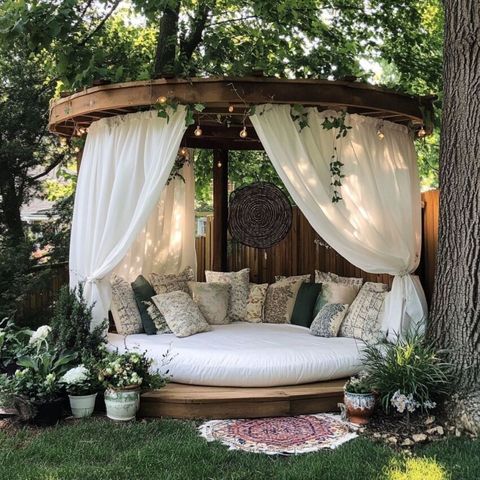
Paint, stain, or decorate with plants, lights, or curtains.
Maintenance Tips for Pergolas
Proper maintenance ensures longevity and safety.
Regular Cleaning
Remove dust, leaves, and debris to keep the structure clean.
Inspect for Damage
Check for cracks, rust, or loose fittings periodically.
Apply Protective Coatings
Use sealants, paint, or anti-rust coatings depending on material.
Seasonal Care
Prepare the pergola for extreme weather conditions like rain or heat.
Cost of Pergola Installation
The cost of a pergola varies depending on several factors:
Factors Affecting Cost
- Material used
- Size and design complexity
- Labor charges
- Additional features (lighting, canopy, automation)
Average Cost Range
- Basic pergola: Budget-friendly range
- Mid-range pergola: Moderate cost with better materials
- High-end pergola: Premium cost with advanced features
Pergola vs Gazebo: Key Differences
Understanding the difference helps in choosing the right structure.
Pergola
- Open roof design
- Provides partial shade
- More modern and flexible
Gazebo
- Fully covered roof
- Offers complete shelter
- Traditional and enclosed design
Conclusion
Pergolas are a versatile and stylish addition to any outdoor space. They offer a perfect balance between shade and openness, making them suitable for relaxation, entertainment, and aesthetic enhancement.
By choosing the right type, material, and design, homeowners can create a functional and visually appealing outdoor environment. Whether you prefer a simple wooden structure or a modern motorized system, pergolas provide endless possibilities for customization and comfort.