Hydraulic Breakers: Complete Guide to Basics, Working Principles, Applications, and Key Insights
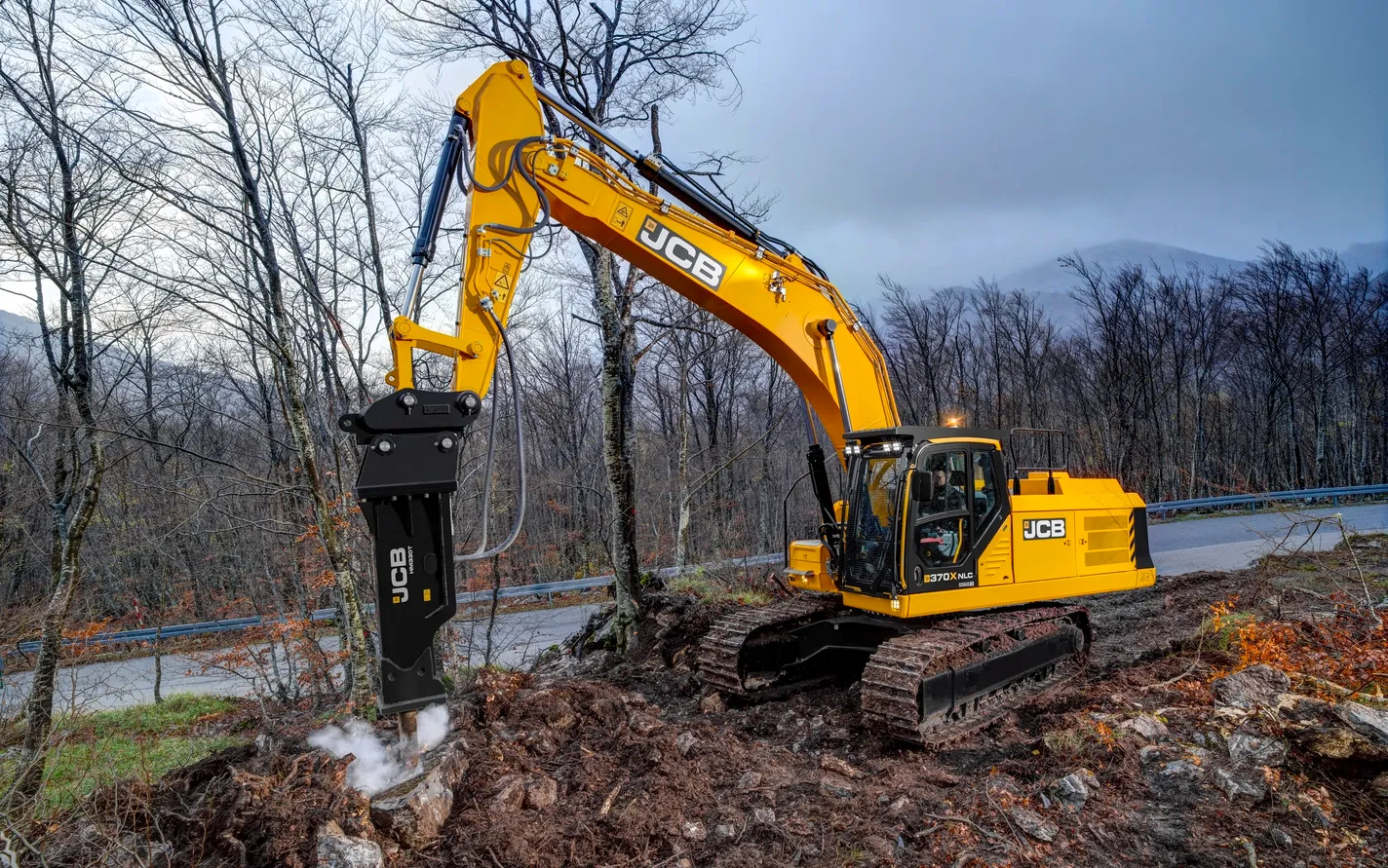
Hydraulic breakers, often referred to as hydraulic hammers, are powerful construction equipment attachments designed to break hard materials such as concrete, asphalt, and rock. They are commonly mounted on excavators, backhoes, skid steers, and demolition machines.
The primary purpose of a hydraulic breaker is to convert hydraulic energy into mechanical impact force. This force is delivered repeatedly through a chisel or tool bit, allowing operators to fracture dense materials efficiently. The development of hydraulic breaker technology emerged from the need for safer and more efficient alternatives to manual jackhammers and explosives in construction and mining operations.
A hydraulic breaker system typically includes:
-
A piston powered by pressurized hydraulic fluid
-
A control valve regulating oil flow
-
A nitrogen gas chamber enhancing impact energy
-
A tool bit or chisel transmitting force to the material
When hydraulic fluid enters the breaker, it drives the piston upward. As pressure builds, the piston rapidly strikes the tool, generating impact energy. This cycle repeats multiple times per minute, depending on machine specifications and hydraulic flow rate.
Hydraulic breaker efficiency is influenced by hydraulic pressure, oil flow rate, tool geometry, and material hardness. Proper alignment and lubrication are essential to maintain performance and prevent excessive wear.
Importance – Why Hydraulic Breakers Matter Today
Hydraulic breakers play a critical role in modern infrastructure and heavy equipment operations. Their relevance continues to grow due to expanding urban development, mining activities, and road rehabilitation projects.
They affect multiple industries:
- Construction and demolition contractors
- Mining and quarry operations
- Infrastructure and road maintenance authorities
- Utility and pipeline installation teams
Key problems hydraulic breakers help solve include:
- Controlled demolition in confined spaces
- Precision rock excavation without blasting
- Removal of reinforced concrete structures
- Road surface breaking for utility repairs
Compared to explosive methods, hydraulic breakers offer improved control, reduced vibration transmission, and better environmental management. In urban settings, this is particularly important due to noise regulations and structural safety concerns.
From an equipment performance perspective, hydraulic breaker attachments improve the versatility of excavators. Instead of using separate machines for drilling or impact work, operators can switch attachments to perform multiple tasks.
High-value keywords often associated with hydraulic breakers include:
- Hydraulic breaker attachment
- Excavator hydraulic hammer
- Rock breaker machine
- Construction equipment financing
- Industrial equipment insurance
- Heavy equipment maintenance program
- Equipment asset management software
- Commercial equipment warranty
These terms are frequently searched by contractors evaluating equipment productivity and lifecycle planning.
Recent Updates – Industry Trends and Developments
Recent developments in hydraulic breaker technology focus on efficiency, sustainability, and operator safety.
One notable trend is the integration of smart monitoring systems. Modern breakers now feature:
- Built-in pressure sensors
- Automatic lubrication systems
- Impact frequency adjustment
- Data tracking for predictive maintenance
Digital monitoring allows operators to track usage hours, impact rate, and maintenance intervals. This data supports equipment asset management strategies and helps reduce downtime.
Another development is improved vibration dampening technology. Manufacturers are incorporating advanced shock absorption systems to reduce stress on carrier machines and enhance operator comfort.
Environmental considerations have also influenced design changes. Many new models emphasize:
- Lower noise output
- Reduced oil leakage risk
- Improved fuel efficiency through optimized hydraulic flow
Battery-powered or hybrid construction equipment is expanding, and hydraulic attachments are being redesigned to integrate with energy-efficient carriers.
Global infrastructure initiatives continue to influence demand. Urban redevelopment projects, smart city programs, and renewable energy installations increase the need for controlled demolition and rock breaking.
Laws or Policies – Regulatory and Compliance Considerations
Hydraulic breaker operations are influenced by construction safety laws, environmental regulations, and equipment compliance standards. Regulations vary by country, but common areas of oversight include:
Occupational safety regulations typically require:
- Operator certification and training
- Protective equipment such as helmets, ear protection, and gloves
- Safe operating distance guidelines
- Regular inspection of hydraulic hoses and connections
Environmental rules often address:
- Noise pollution limits
- Vibration control in urban areas
- Dust suppression measures
- Proper hydraulic fluid disposal
In many countries, construction equipment must comply with emissions standards applicable to the carrier machine. Breakers themselves may also require compliance labeling regarding noise levels and vibration output.
Government infrastructure programs may indirectly influence hydraulic breaker demand by allocating budgets to road development, metro expansion, and public works. Contractors participating in public tenders often need documented maintenance records and equipment inspection reports.
Insurance policies for heavy equipment typically require adherence to manufacturer guidelines and periodic inspection logs. Failure to comply may impact coverage under commercial equipment insurance policies.
Tools and Resources – Practical Support for Operators and Managers
Efficient hydraulic breaker usage depends on proper planning, maintenance tracking, and operational monitoring. Several tools and resources assist professionals in managing these processes.
Equipment Maintenance Software
- Tracks service intervals
- Logs operating hours
- Schedules preventive inspections
Hydraulic Flow Calculators
- Match breaker specifications with carrier machine capacity
- Estimate impact energy output
Equipment Asset Management Platforms
- Monitor fleet performance
- Analyze utilization rates
- Plan replacement cycles
Digital Inspection Templates
- Daily equipment safety checklists
- Hydraulic hose inspection logs
- Tool wear measurement records
Breaker Size and Application Overview
| Breaker Class | Carrier Weight Range | Common Applications |
|---|---|---|
| Light Duty | Mini excavators | Sidewalk removal, small trenches |
| Medium Duty | Mid-size excavators | Roadwork, foundation demolition |
| Heavy Duty | Large excavators | Quarry rock breaking, large-scale demolition |
Impact Frequency Comparison
Impact Frequency (Blows per Minute)
Light Duty ████████████
Medium Duty █████████
Heavy Duty ██████
Smaller breakers typically deliver higher impact frequency with lower energy per blow, while larger breakers deliver fewer but more powerful impacts.
Training resources, equipment manuals, and technical specification sheets remain essential references for safe and effective operation.
Frequently Asked Questions
What is the difference between a hydraulic breaker and a pneumatic hammer?
A hydraulic breaker uses pressurized hydraulic oil from a carrier machine to generate impact energy, while a pneumatic hammer uses compressed air. Hydraulic systems generally provide higher impact force and better efficiency for heavy-duty construction tasks.
How often should hydraulic breakers be maintained?
Maintenance frequency depends on usage hours and working conditions. Regular lubrication, inspection of tool bushings, and checking hydraulic connections are typically performed daily or weekly based on workload intensity.
Can hydraulic breakers damage the carrier machine?
Improper use, incorrect hydraulic flow settings, or excessive blank firing can strain the carrier machine. Using the correct breaker size and following operational guidelines reduces mechanical stress and prolongs equipment life.
Are hydraulic breakers suitable for indoor demolition?
Yes, but noise and vibration control must be carefully managed. Operators may use smaller breakers and implement dust suppression methods to comply with safety standards.
What factors influence breaker performance?
Key factors include hydraulic pressure, oil flow rate, tool condition, material hardness, and operator technique. Proper alignment and steady pressure improve efficiency and reduce wear.
Conclusion
Hydraulic breakers are essential attachments in construction, demolition, and mining industries. They convert hydraulic energy into controlled impact force, enabling efficient breaking of hard materials.
Their importance continues to grow with expanding infrastructure projects and urban redevelopment. Modern advancements such as smart monitoring systems, vibration control, and automated lubrication enhance performance and reliability.
Compliance with safety regulations, environmental standards, and equipment inspection policies ensures responsible operation. Supporting tools like hydraulic flow calculators and equipment asset management software help operators maximize efficiency and maintain compliance.
Understanding how hydraulic breakers work, where they are applied, and how they are regulated provides valuable knowledge for construction professionals, project planners, and equipment managers seeking safe and effective operations.